
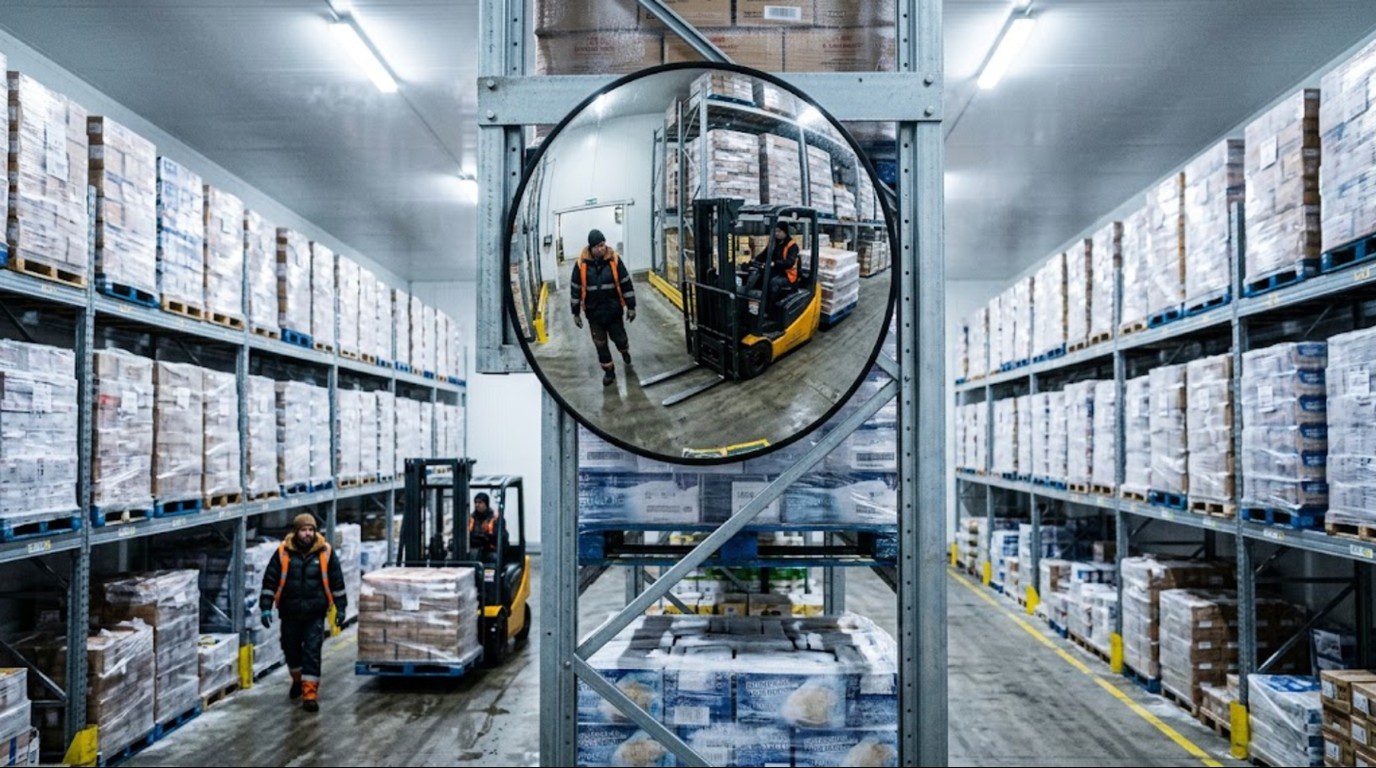
A freezer aisle is one of the least forgiving places to hang a mirror. Forklifts move quickly between racks, doors open and close all day, and the air swings between dry cold and wet warmth. A standard indoor mirror that works well in an ambient warehouse can fog, frost over or crack within weeks. Buyers who need a cold storage safety mirror must therefore specify material, temperature rating and moisture control before they order.
This guide is written for procurement officers, cold chain operators, warehouse managers, distributors and importers. It explains how frost and condensation form, which materials survive low temperatures, and which design features keep the reflection clear. It also covers placement, testing and wholesale terms, so your bulk order performs in a real freezer and not only on a data sheet.
Why Cold Storage Is the Hardest Environment for a Mirror
Cold storage puts several stresses on a mirror at once. Low temperature changes how materials behave. Moisture adds a second problem, and heavy equipment adds a third. Understanding these stresses explains why ordinary mirrors fail.
1. Temperature Swings and Door Cycles
Frozen food is commonly stored at around minus 18 degrees Celsius or colder, and chilled areas sit just above freezing. Therefore, mirrors near doors and dock areas see both extremes many times a day. Each swing causes expansion and contraction in the lens, frame and fixings. Over time, these cycles loosen brackets and create cracks. For this reason, a cold storage safety mirror needs a tested temperature range and not only a general indoor rating.
2. Moisture, Frost and Ice Buildup
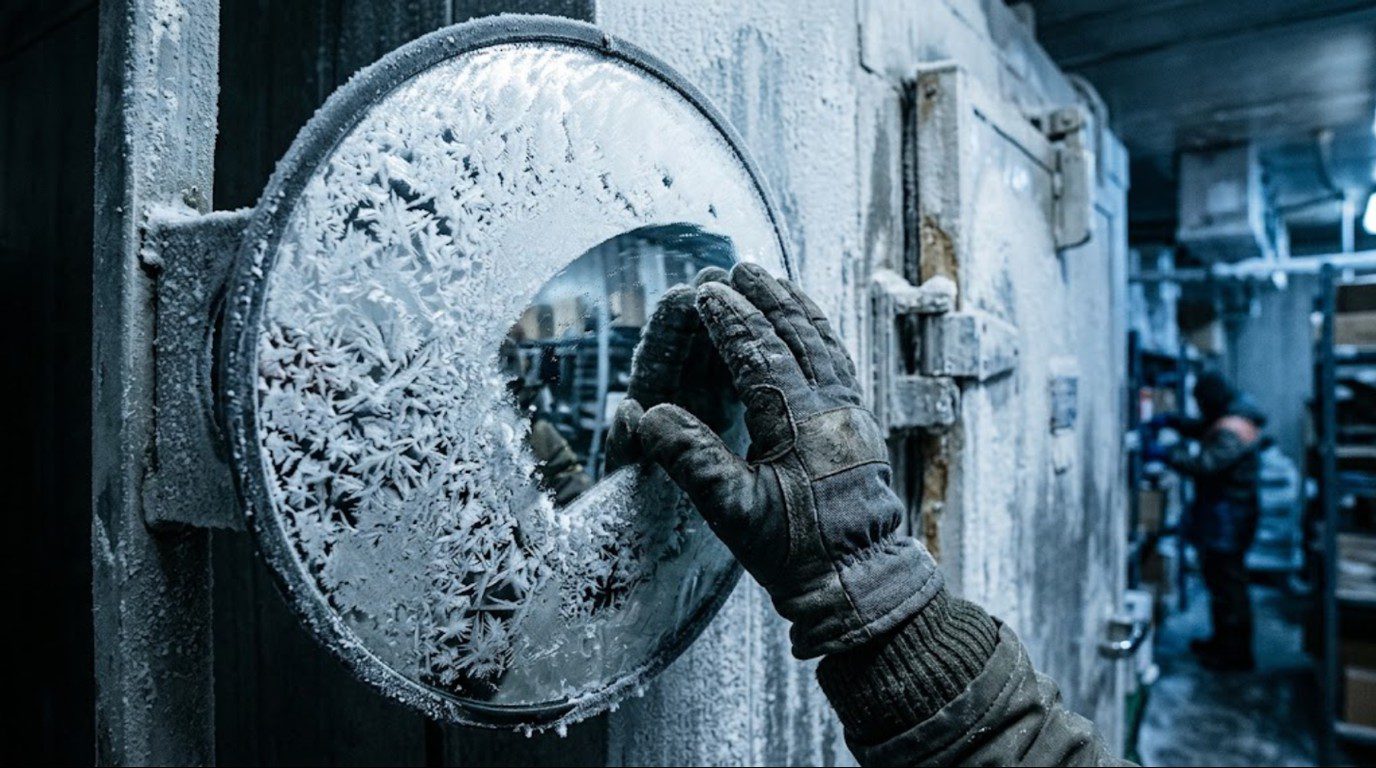
Warm, humid air enters whenever a door opens. When it meets a cold mirror surface, the moisture condenses and then freezes. A thin layer of frost scatters light and blurs the image. A thick layer can hide the aisle completely. The result is a mirror that exists on paper but gives the driver no useful view.
3. Safety Stakes in Freezer Aisles
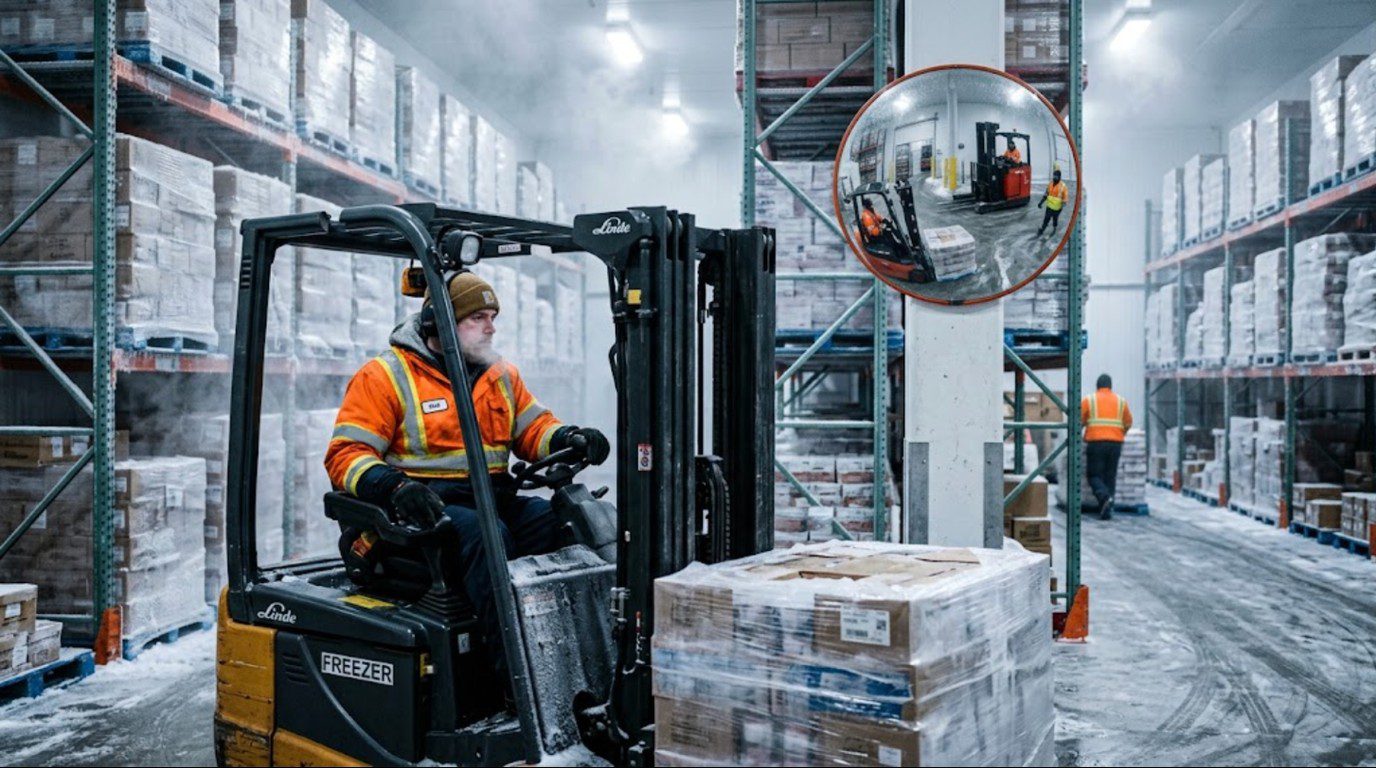
Freezer aisles are often narrow, and operators wear heavy clothing that limits movement. Forklift drivers must see cross traffic and pedestrians before they reach an intersection. A cold storage safety mirror closes that gap only if the image stays clear. Our guide on eliminating blind spots with convex mirrors in warehouses explains the basics of aisle visibility. In cold storage, the material and moisture control decide whether those basics still work.
How Frost and Condensation Form on a Cold Storage Safety Mirror
Moisture control starts with understanding the cause. Condensation and frost are predictable and follow simple physics. Once buyers know the mechanism, they can judge supplier claims more critically. The points below explain what happens at the mirror surface.
1. Dew Point and Surface Temperature
Condensation forms when humid air touches a surface colder than its dew point. In a freezer, the mirror surface is already cold, so any humid air that reaches it deposits moisture. If the surface is below zero, that moisture freezes as frost. Doors, dock seals and anterooms control how much humid air reaches the aisle. A mirror near a door sees the worst exposure.
2. Material and Thermal Behavior
Different lens materials gain and lose heat at different rates. A thin, low-mass surface follows air temperature quickly, while a thick lens lags behind. This changes how fast moisture condenses after a door opens. Surface finish also matters, because water either beads or spreads depending on the treatment. No material is frost-proof in every condition, so ask suppliers for the temperature and humidity at which they tested their claim.
3. Effect on Reflection and Maintenance
Frost blurs the image and ice can distort it. Staff may try to scrape or wipe the mirror, which scratches soft plastic lenses. Repeated cleaning with the wrong tool shortens service life. A mirror that resists frost reduces maintenance and keeps the image reliable. For a broader view of service life, see our article on convex mirror lifespan expectations.
Material Choice for Freezer and Chiller Applications
Lens and frame materials decide whether a mirror survives in the cold. The choice also affects clarity, weight and price. No single material wins in every case. Buyers should match the material to the temperature, the impact risk and the moisture level.
1. Acrylic and Polycarbonate Lenses
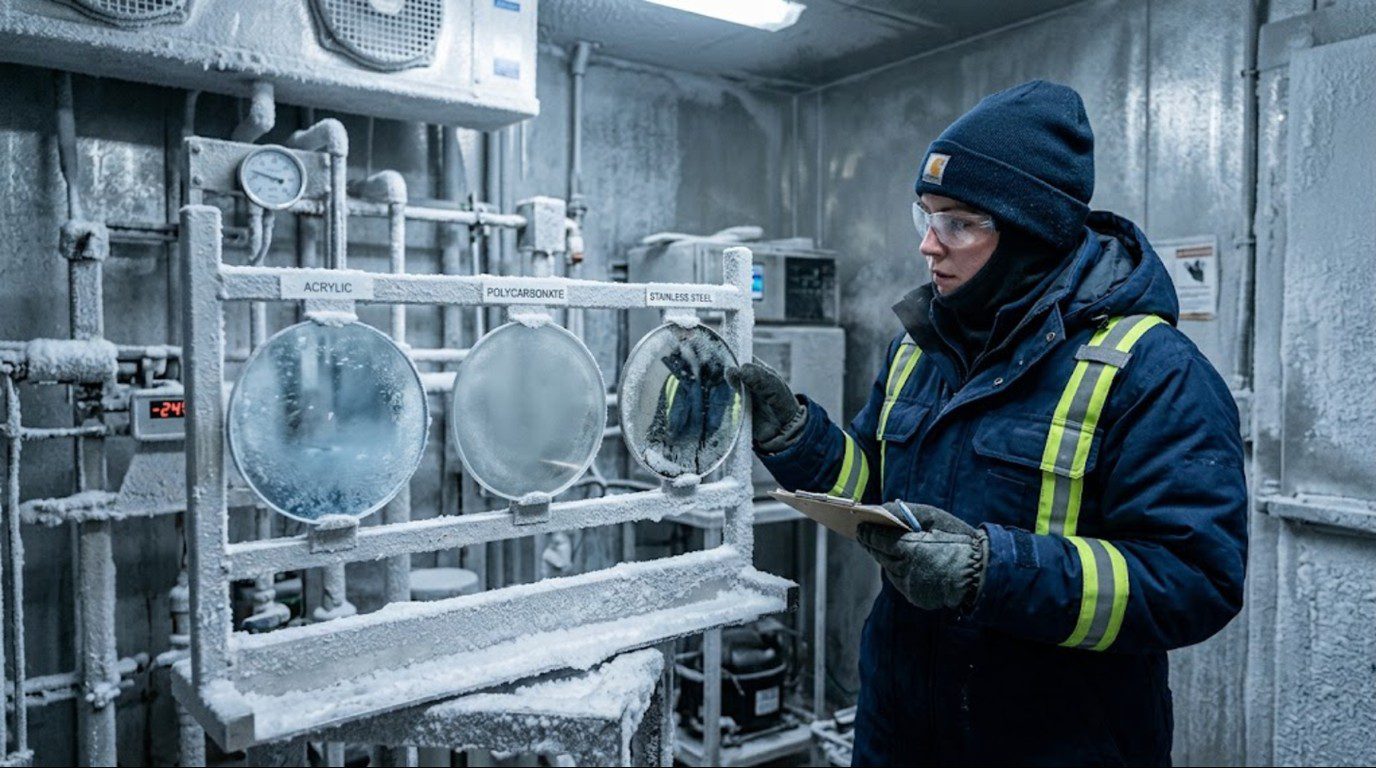
Plastic lenses are light, affordable and widely available. Many plastics become less impact resistant as temperature falls, so ask for low-temperature test data. Polycarbonate usually holds up better to impact than acrylic, which matters when forklifts or pallets operate nearby. Choose a lens with a tested rating that covers your coldest zone, and treat any cold storage safety mirror claim as unproven until you see data. Do not assume an indoor mirror works in a freezer because it works in a chiller.
2. Stainless Steel Mirrors
Stainless steel mirrors do not shatter, and they tolerate knocks and cleaning well. Some products use stainless steel with anti-frost features that work without electrical power. One retailer lists a stainless steel anti-frost non-misting mirror rated to about minus 20 degrees Celsius. The image quality of a polished metal surface is usually less sharp than a glass or plastic mirror, so test the view at your aisle width.
3. Glass and Thermal Shock
Glass gives a clear image, but it is heavy and brittle. Rapid temperature changes can stress it, and broken glass in a food storage area creates serious contamination risk. Most cold storage sites restrict glass for this reason. Check your internal policy before you consider it. In most freezer applications, plastic or stainless steel is the safer choice.
4. Frames, Backing and Fixings
The lens is only part of the system. Frame materials can harden and crack in the cold, and cheap fasteners corrode in damp conditions. Water can also enter the back of a mirror and freeze behind the lens. Specify sealed edges, corrosion-resistant fixings and a backing that does not absorb moisture. Ask whether the frame material has a stated low-temperature limit.
Anti-Frost and Anti-Condensation Features
Many suppliers advertise anti-fog or anti-frost mirrors, but the term covers several different methods. Each method has its own cost, durability and risk. Ask suppliers which approach they use and how they tested it. Compare the results at your own temperature and humidity.
1. Passive Designs for a Cold Storage Safety Mirror
Passive designs rely on the lens material, the surface finish or the mirror structure to reduce frost and fogging. They need no wiring and no maintenance, which suits large warehouses with many mirrors. Their effect has limits in extreme humidity. Confirm the claimed temperature range and the test conditions. A passive mirror is often the lowest cost option for chiller zones and moderate freezers.
2. Heated Mirrors
Heated mirrors use a small electric element to keep the surface above the dew point. They give the most reliable clear view in harsh conditions. However, they need power, wiring and protection against moisture. They also add cost for installation and electrical safety checks. Consider them for critical intersections where a clear view is essential at all times.
3. Coatings and Surface Treatments
Some mirrors use hydrophilic or anti-fog coatings to spread moisture into a thin film instead of droplets. These coatings can work well at first, but wear and cleaning can reduce their effect. Ask the supplier how long the coating lasts and how staff should clean it. Do not accept a general claim without test data. Request samples and test them in your own freezer.
4. Questions to Ask About Any Anti-Frost Claim
Ask what temperature and humidity the supplier used when they tested the mirror. Ask how long the test ran and how many door cycles it included. Request photos or video of the mirror after the test, because a written claim alone proves little, and find out whether the feature affects image clarity. Finally, confirm what warranty applies if the mirror fogs or cracks within the first year. A confident supplier will answer each question in writing.
Placement and Sizing for Cold Storage Aisles
Even the best mirror fails if it hangs in the wrong place. Cold air flow, door position and forklift routes all matter. Plan placement with the same care as the material choice. The steps below help avoid common errors.
1. Keep Mirrors Away from Direct Door Blasts
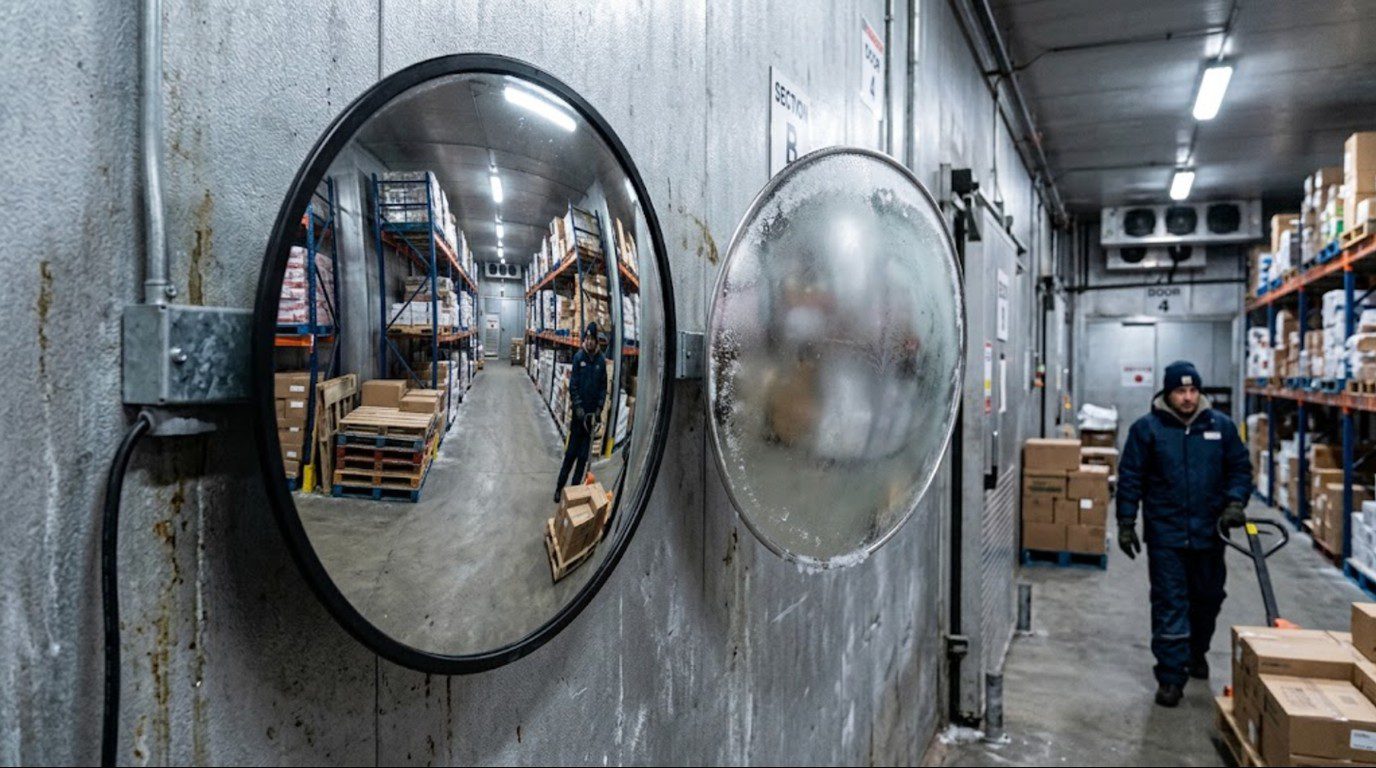
Warm air rushes in when doors open, so the area near a door gets the worst condensation. Where possible, place the mirror a short distance inside the aisle, away from the door stream. If a mirror must sit near a door, choose a heated or stainless steel model. Review airflow with the facility team before you drill any fixings.
2. Size, Curvature and Viewing Distance
Aisle width and forklift speed set the mirror size. A larger diameter gives a better view from further away, which is useful in long aisles. A smaller mirror is easier to mount but harder to read. Distance and size are directly linked, so a longer aisle needs a larger diameter. Check the view from the operator’s seat at working speed.
3. Mounting Height, Clearance and Cleaning Access
Mount mirrors above typical load height to avoid knocks. Leave enough clearance for racking, lights and sprinkler lines. Staff must be able to reach the mirror safely for cleaning and inspection, so avoid awkward positions. Record the position in your facility plan. For further layout ideas, read our article on convex mirrors for forklift safety in busy warehouses.
Specification, Testing and Wholesale Terms for Bulk Orders
A good specification protects you from guesswork. It also gives suppliers a fair basis for quotes. Write down the environment and the performance you expect. Then test samples before you commit to volume.
1. What to Put in a Cold Storage Safety Mirror Specification
State the lowest operating temperature, the humidity level and the number of door cycles. Specify the lens material, mirror diameter, frame material and mounting method. Add the required anti-frost feature and the test evidence you will accept. Include packaging requirements, because cold chain sites often need clean, sealed packaging. Our article on writing a convex mirror specification sheet can help you structure the document.
2. Sample Trials in a Real Freezer
Install samples at two or three locations for several weeks. Include one near a door and one inside an aisle. Record frost buildup, image clarity and any cracking or loosening of fixings. Ask operators for feedback on the view. Keep approved samples as the reference for later shipments.
3. MOQ, OEM and Lead Time
Typical MOQs range from a few hundred pieces to around 1,000 pieces, depending on model and material. Special materials and features may need longer lead times. Ask about OEM options for frame color, branding and packaging. Confirm that the supplier can repeat the same specification on later orders. A reliable manufacturer will keep your drawings and approved samples on file.
4. Cleaning, Inspection and Replacement Routines
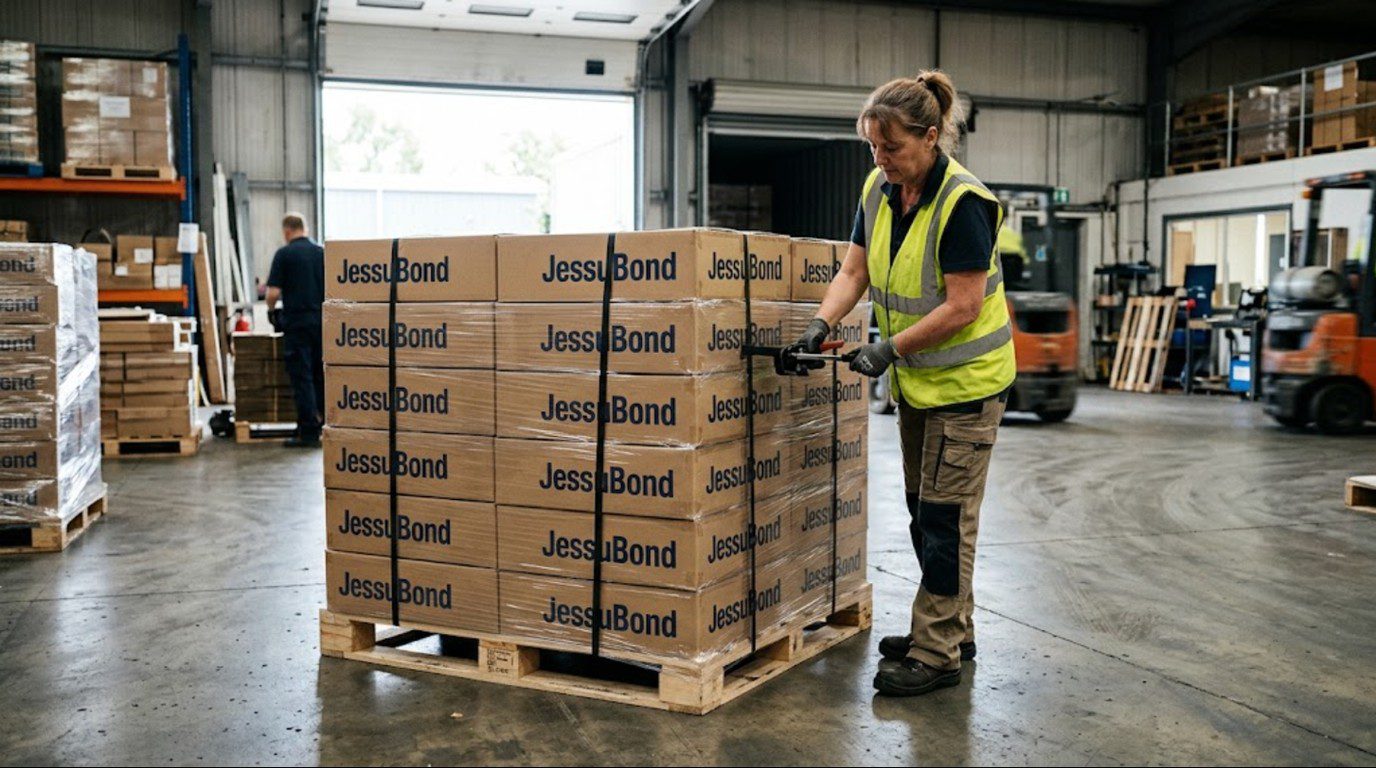
Even a well-chosen cold storage safety mirror needs routine care. Add the mirrors to your weekly safety walk and check for frost, cracks and loose fixings. Clean them with a soft cloth and the method the supplier recommends, because harsh tools scratch the surface. Keep a small stock of spare mirrors and fixings, so that a damaged unit never leaves an aisle without a view. Record the date of each replacement to build a service life record for the next purchase.
Conclusion: A Cold Storage Safety Mirror Must Be Specified for the Freezer, Not the Warehouse
A cold storage safety mirror faces cold, moisture and impact at the same time. Choose the lens and frame for the lowest temperature on site, and control frost with a method you have tested. Place mirrors away from door blasts, size them for the aisle and keep them reachable for cleaning. Write all of this into the specification, and confirm it with samples before you place a volume order.
Wholesale buyers should also confirm MOQ, OEM terms and lead times early. A clear brief and a short trial prevent costly replacement later. The result is a clear view for drivers, fewer maintenance calls and a safer aisle.
A mirror that fogs over in the freezer is only decoration.
Looking for a manufacturer that supplies convex mirrors in custom sizes, lens materials and frames for demanding warehouse environments with flexible MOQ and transparent per-unit pricing at volume? At JessuBond, we produce convex mirrors for indoor, outdoor, dome and inspection use with full customization support. Contact us here.