
Stadiums, arenas, festival grounds and convention centers all depend on traffic cones for a few hours at a time, several times a year. Venue operators must route vehicles, protect pedestrians and mark parking zones within tight setup windows. Event traffic cones wholesale orders therefore need a different specification from roadwork cones. They must be quick to deploy, visible in crowds and consistent with the venue’s brand.
This guide helps procurement officers, venue facility managers, event contractors and distributors write that specification. It covers height, weight and material, then branding, compliance limits and wholesale terms. Use it to compare suppliers on equal terms and to avoid paying for features that your events do not need.
Why Venues Specify Event Traffic Cones Differently from Roadwork Cones
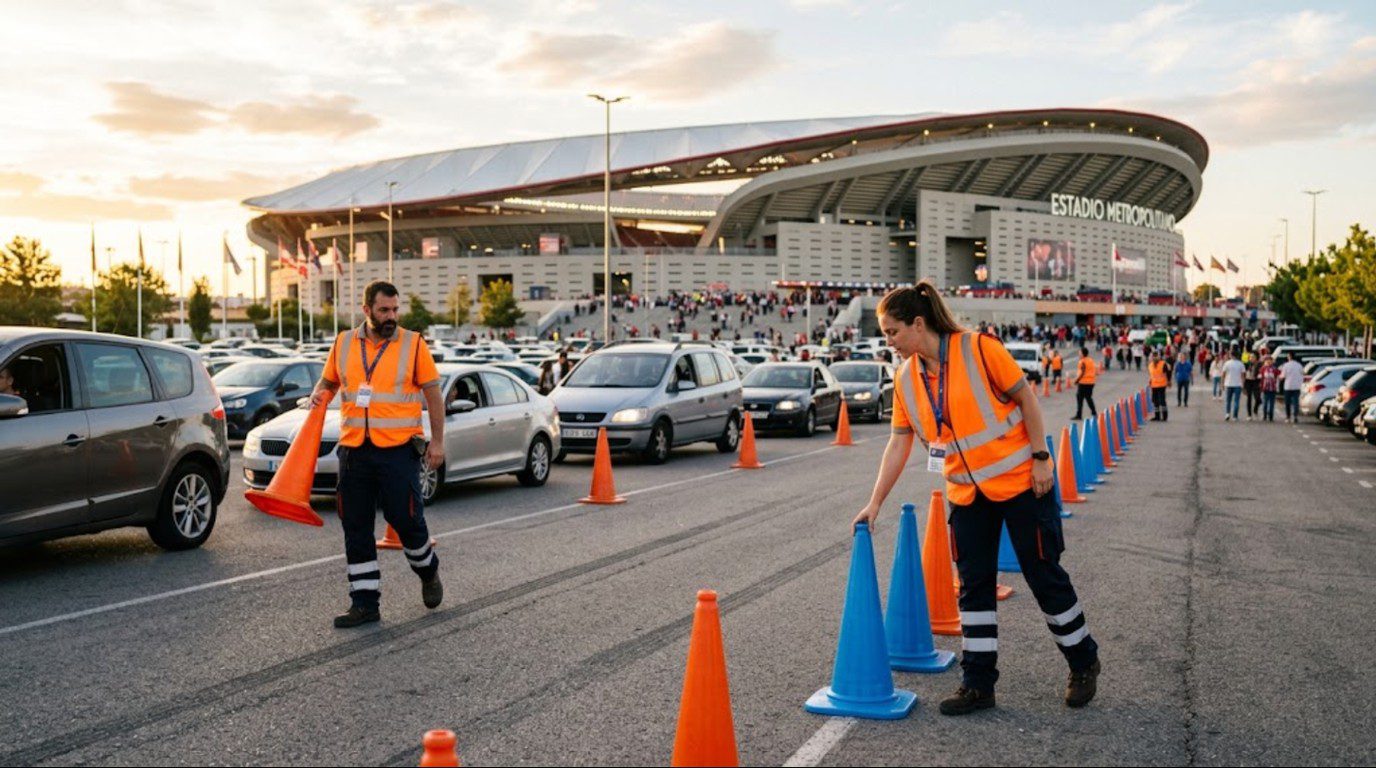
A venue is a temporary traffic system inside a permanent building. Cones guide cars into lots, split pedestrian paths from vehicle lanes and mark service routes. The same cone may be moved four times during one event. These demands shape every choice that follows.
1. Crowd Flow, Vehicle Routing and Setup Windows
Event crews often have only a few hours between load-in and gate opening. Cones must therefore be light enough to carry in bulk and stable enough to survive foot traffic. They must also be easy to read from a distance, because drivers arrive in large groups and make fast decisions. A confusing cone layout slows entry and creates safety risk at gates and drop-off points. Good event traffic cones wholesale specifications start from the traffic plan, not from the catalog.
2. Who Buys Event Cones and in What Volumes
Buyers fall into four groups: venue operators, event production companies, parking and traffic contractors, and distributors who resell to all three. Venue operators usually place one or two large annual orders with a brand requirement. Contractors reorder often and care most about durability. Distributors compare unit price, packing and MOQ across several factories. As a result, a good supplier should offer both stock cones and printed or private label runs.
Height, Weight and Material Specification for Venue Use
Specification starts with the physical cone. Height, base weight and material decide how well the cone performs in a stadium environment. Each choice also changes price and freight cost. Write these requirements into the purchase order before you discuss branding.
1. Choosing Event Traffic Cones Wholesale Heights by Zone
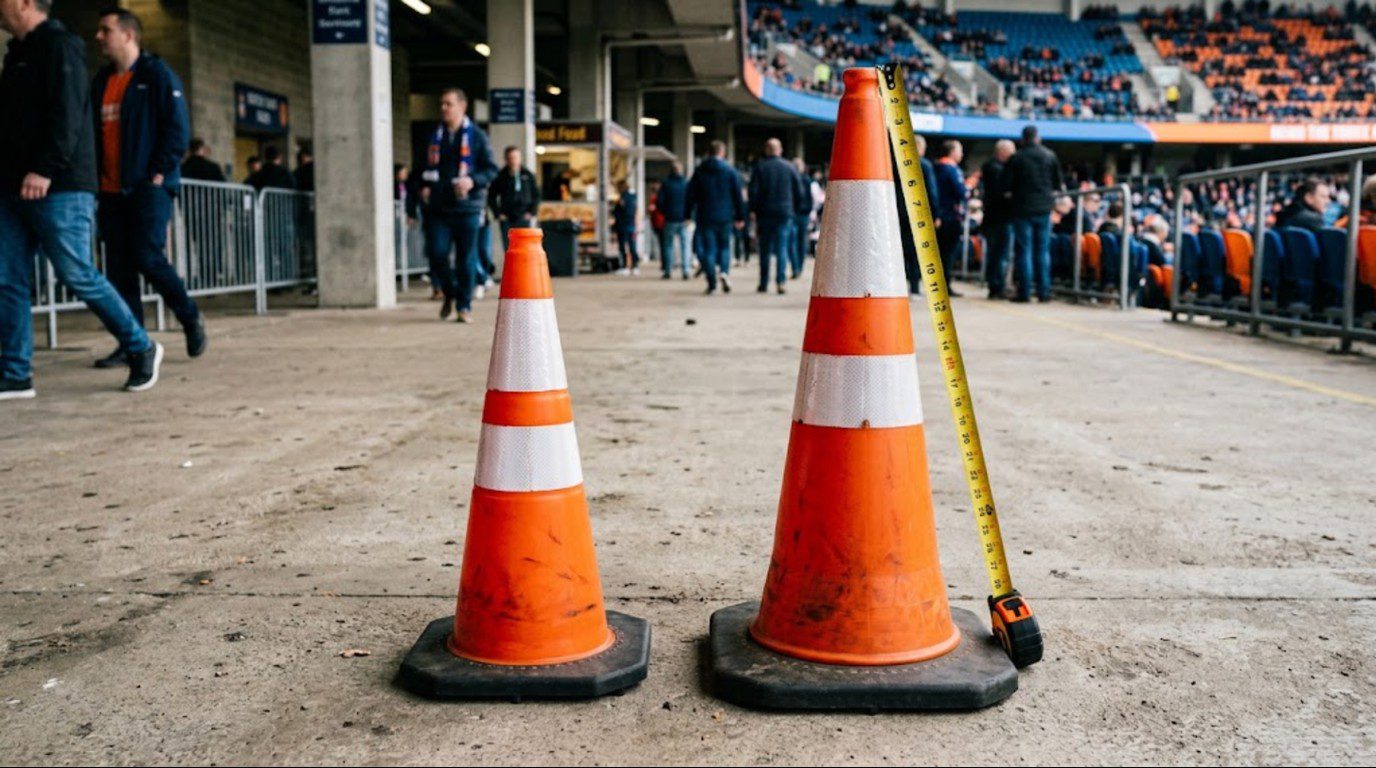
Venue zones have different speeds and viewing distances. Under MUTCD, roadway work cones are generally at least 18 inches tall, and 28 inches is expected for high-speed or nighttime work. Most stadium parking lots run at low speed, so 18-inch cones are common there, while streets around the venue may need 28-inch cones for night events. Smaller cones suit pitch areas, queues and indoor walkways, so buying two heights covers most venues.
2. Base Weight and Wind Exposure
Open concourses, parking lots and exposed stadium edges create wind and vehicle draft. A light cone tips easily, and a tipped cone cannot guide anyone. Heavy bases improve stability, but they also raise shipping cost and make setup slower. Therefore choose a weight that matches the worst conditions at each site, not the best. Ask suppliers for the base weight and weigh sample units yourself, because typical weights vary by supplier.
3. PVC, Rubber and PE Material Choices
PVC cones are the most common for events because they are flexible, lightweight and take printing well. Rubber base cones add weight and grip on pavement. PE and PP cones are lighter and often cheaper, which suits indoor use and short events. Our comparison of PVC vs rubber traffic cones for long-term use explains the durability trade-off in detail. For most venues, PVC bodies with weighted bases offer the best balance between cost, print quality and service life.
Branding Options: Logos, Colors and Reflective Collars
Branding turns a cone from a plain tool into part of the venue identity. It also helps staff and drivers recognize official event zones. However, branding must never reduce visibility or safety. Plan the print area, color scheme and collar placement together.
1. Logo Printing Methods and Placement
Screen printing is the usual method for logos on cone bodies, and hot stamping suits durable marks on collars or bases. Each method has different setup costs, so unit price depends on quantity. Place the logo where it stays visible when cones are stacked in rows, and avoid the zones where reflective collars will sit. Request a printed sample before you approve a full run, and ask the factory how many colors the artwork can use without extra cost. Our guide to custom traffic cones with company branding covers the commercial benefits for contractors.
2. Color Coding for Event Zones
Orange remains the default for vehicle control, because drivers recognize it everywhere. Blue, green and red cones help staff separate zones such as VIP parking, accessible parking, staff routes and emergency lanes. Keep the color code simple, because staff must learn it quickly. Match the colors to venue signage so that cones and signs give the same message. For a deeper look at color meaning, see our article on orange, blue and green traffic cones for different applications.
3. Reflective Collars for Night Events
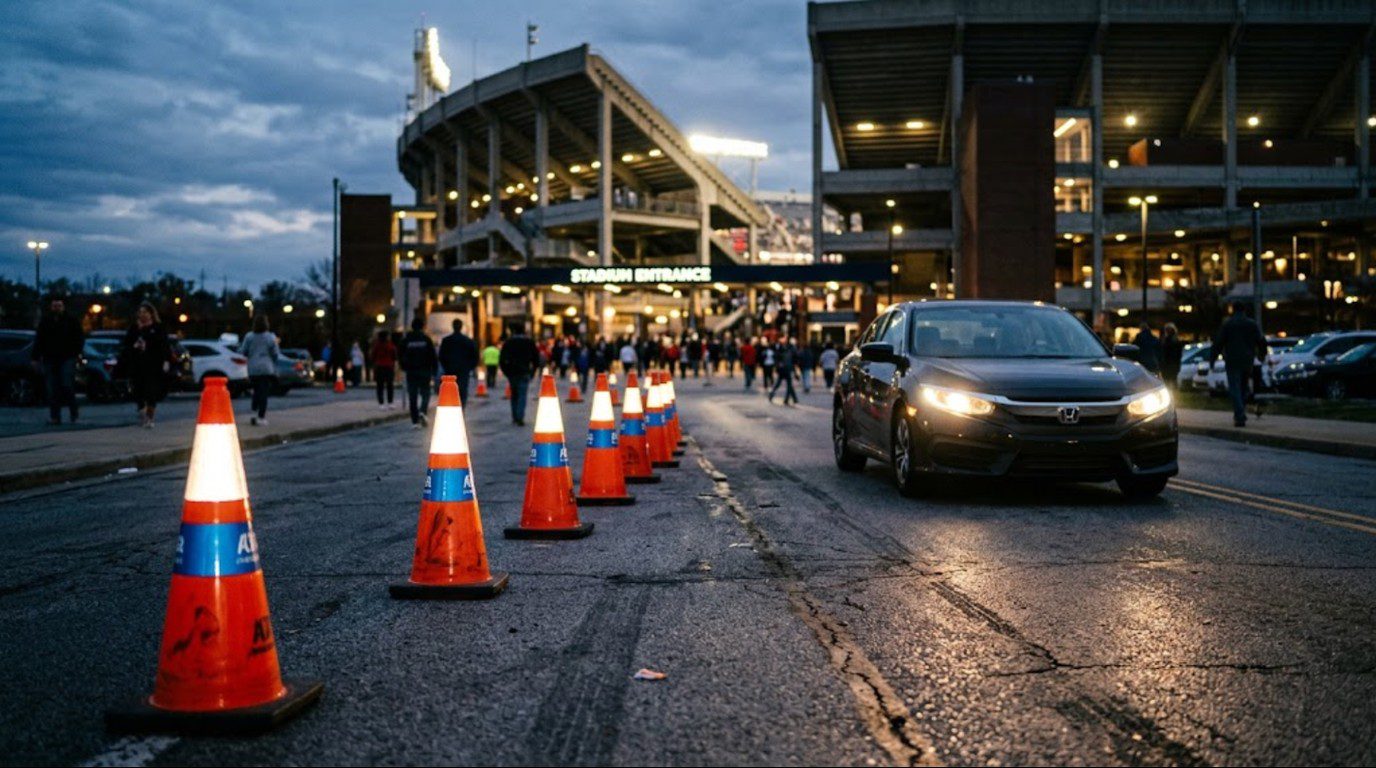
Many events end after dark, so collars matter. MUTCD sheeting grades include Engineer, High-Intensity and Diamond, and EN 13422 uses reflectivity classes R1, R2 and R3. Higher grades cost more but improve visibility, especially on unlit approach roads. Choose a collar grade based on the darkest zone the cone will occupy, not on the average. Confirm that the collar bonds well and survives repeated handling, because weak adhesion is a common failure point.
Safety and Compliance Limits for Venue Perimeters
Cones are guidance tools, not barriers. Buyers who understand this limit write better specifications and avoid false confidence. Compliance rules also differ between private venue property and public streets. Check both before you finalize the order.
1. When Temporary Traffic Control Standards Apply
Public streets around a venue usually fall under local traffic authority rules. In the United States, the MUTCD sets requirements for devices used in temporary traffic control on public roads. Event organizers often need an approved traffic management plan for road closures, and that plan may state cone height and collar requirements. Private parking areas may follow different rules, but many operators adopt the same standard to reduce liability. Confirm the requirement with your local authority before you order.
2. Cones Guide Traffic but Do Not Stop Vehicles
A cone cannot stop a vehicle or hold back a crowd. Venues that need physical protection should use certified barriers or crowd control barriers in addition to cones. Cones work best as visual cues that show where to drive or walk. Your venue safety officer should decide which areas need stronger protection. As a result, the cone order should match the traffic plan, and it should not replace risk assessment.
3. Stacking, Storage and Fast Deployment
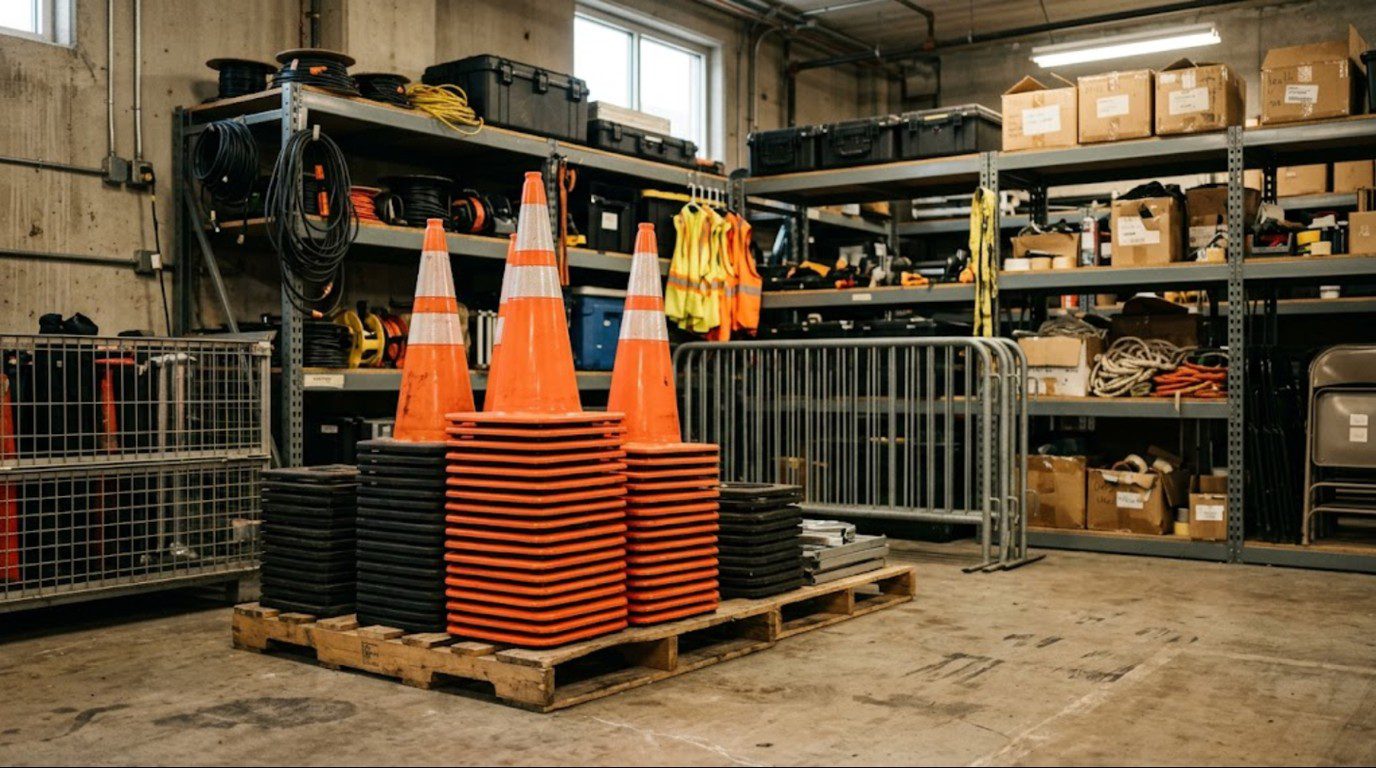
Event cones are deployed and collected many times each season. Stackable bodies save storage space and reduce handling time. Check that cones nest cleanly without sticking together, because sticky stacks slow down crews. Count the number of cones per carton and per pallet so that you can plan transport. Storage rooms in stadiums are often limited, so compact packing has real operational value.
4. Chains, Lights and Barrier Accessories
Many venues add accessories to cones for specific zones. Connecting chains or bars create a visual line for queues and restricted areas. Warning lights and toppers improve visibility after dark. Each accessory adds cost and handling time, so use them only where the traffic plan needs them. Our traffic cone accessories sourcing breakdown explains how buyers compare options and suppliers. Confirm that every accessory fits the cone you choose before you order in volume.
Wholesale Pricing, MOQ and OEM Terms for Event Buyers
Wholesale pricing depends on several linked variables. Understanding them lets you negotiate fairly and compare quotes accurately. The unit price is only one part of the cost. Printing, collars, packing and freight all affect the landed price per cone.
1. What Drives Event Traffic Cones Wholesale Unit Prices
The main price drivers are cone weight, material grade, collar class and printing complexity. Heavier cones use more raw material, so they cost more to make and to ship. Multi-color prints and hot stamping add setup work. Prices and lead times vary by supplier and volume, so ask for quotes at several quantity tiers. Event traffic cones wholesale pricing usually falls as order size rises, but only up to the point where freight dominates.
2. MOQ and Reorder Planning for Event Traffic Cones Wholesale
Printed or custom colored cones usually need a higher MOQ than stock orange cones. Typical MOQs range from a few hundred pieces to around 1,000 pieces, and the right number depends on the factory and print method. Venues with seasonal events should order before the busy period and plan a second batch for replacements. Distributors may prefer split shipments, which reduce storage cost. Confirm whether the factory keeps your artwork on file for fast repeat orders.
3. OEM, Private Label and Packing
OEM terms let you add your logo, color and carton labels. Private label programs are useful for distributors who sell to many venues. Ask the factory about custom cartons, barcodes and pallet configuration. Clear carton marking speeds up receiving at the venue, especially when several cone types arrive together. Agree these details before production starts, because changing carton layouts later delays shipment.
4. Freight, Packing Density and Landed Cost
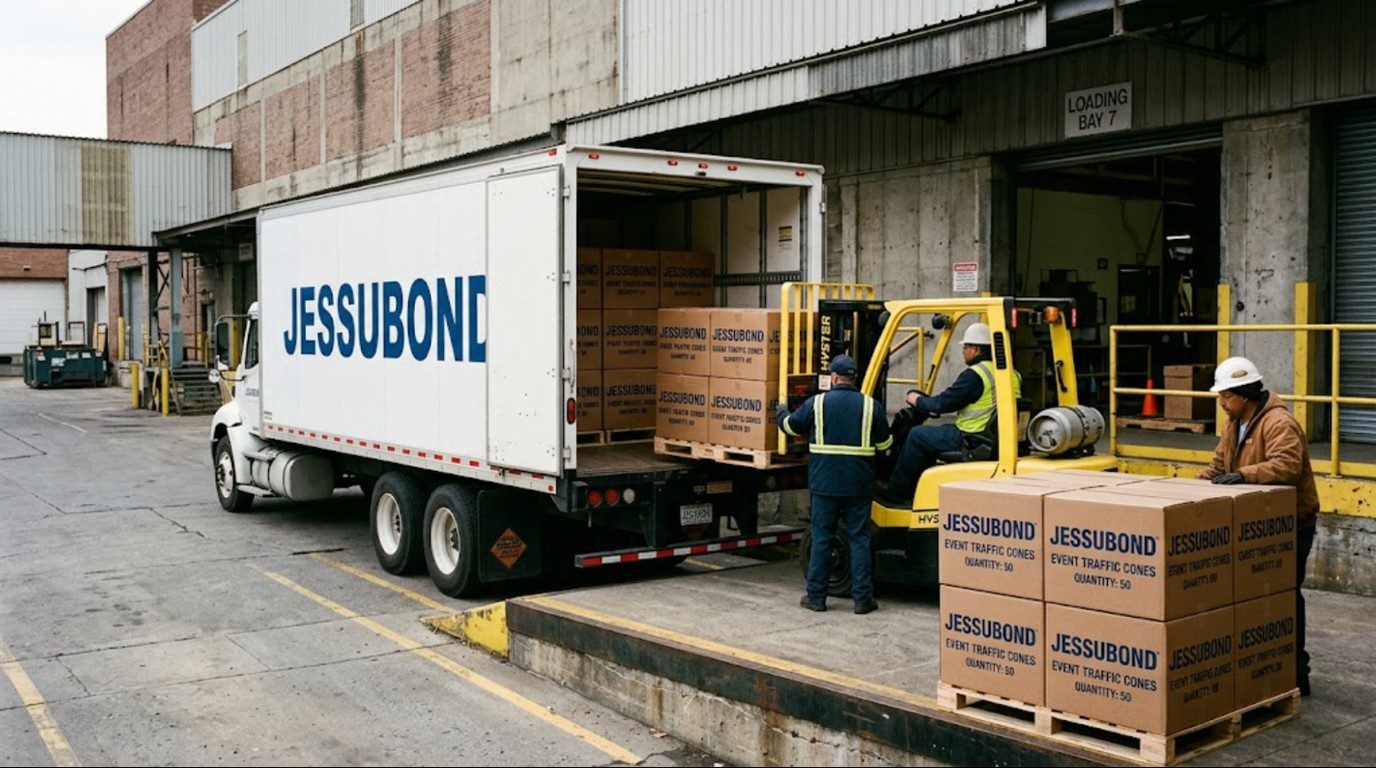
Freight can account for a large share of the final price, because cones are bulky. Nested packing reduces the number of cartons per container and lowers cost per unit. Ask each supplier for the quantity per 20-foot and 40-foot container, and compare quotes on a landed basis. Include port charges, duties and inland delivery to the venue in your calculation. A slightly higher factory price with better packing density can still win on landed cost. Event traffic cones wholesale buyers who compare only ex-works prices often miss this point.
Supplier Evaluation Steps Before You Approve a Bulk Order
A sample is more reliable than a brochure. Run a short evaluation before you commit to volume. The steps below take little time and prevent expensive mistakes. They also give you evidence to share with your safety team.
1. Sample Approval and Print Durability
Ask for physical samples with the exact artwork and collar you plan to buy. Rub the printed area with a damp cloth and a dry cloth, then leave a sample outdoors for several weeks. Check for fading, cracking and print peeling. A cone that loses its logo after one season wastes the branding budget. Keep approved samples on file as the reference for later shipments.
2. Color Matching and Batch Consistency
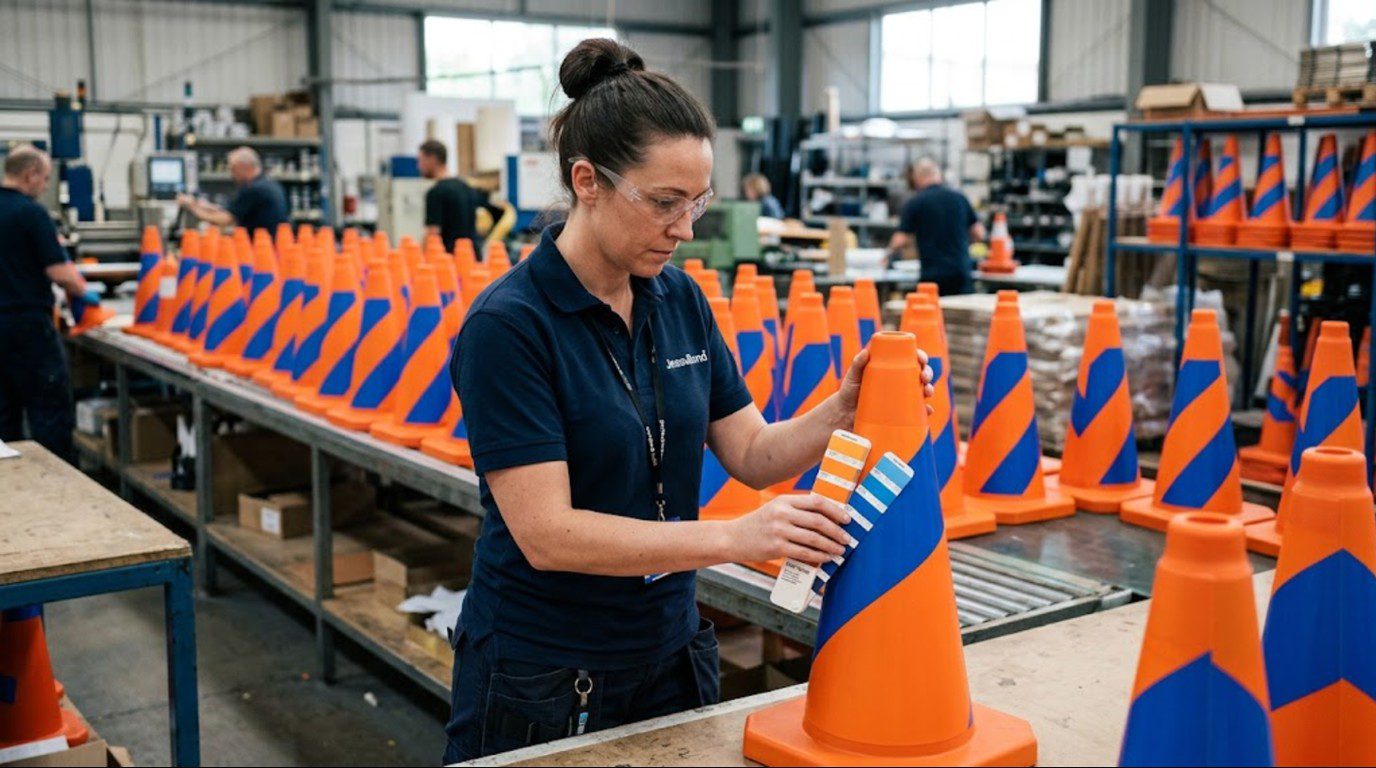
Branded cones must match the venue’s colors in every batch. Ask the supplier how they control color, and whether they can match a specific reference code. Compare units from different cartons before the order ships. Small color differences are easy to spot when cones stand in rows. A factory with strong batch control will welcome this check.
3. Lead Time and Delivery Before the Season
Custom production, printing and shipping take time. Confirm the production schedule in writing, and add a buffer for sea freight or customs delays. Late cones can force a venue to rent substitutes at higher cost. Ask for photos during production and before shipment. A dependable supplier communicates early, and does not wait until the container is late.
Conclusion: Specify Event Traffic Cones Wholesale for the Venue, Not the Catalog
The right cone for a stadium or event venue is the one that fits the traffic plan, the weather and the brand. Choose heights by zone, set realistic base weights, and select collars for the darkest area. Plan color codes and printing before you request quotes. Event traffic cones wholesale buyers who test samples, confirm MOQ and agree delivery dates avoid most problems.
Cones remain visual guidance tools, so combine them with barriers where physical protection is needed. A clear specification also helps suppliers quote accurately. Buyers who write one page of requirements usually receive better offers and fewer surprises.
The best event cone is the one your crew can deploy fast and your guests can read at a glance.
Looking for a manufacturer that supplies custom branded traffic cones with logo printing and reflective collars at flexible MOQ and transparent per-unit pricing at volume? At JessuBond, we produce traffic cones for venues, contractors and distributors with full customization support. Contact us here.